
The Home Farewell Vet
Peaceful Pet Euthanasia at Home in Cornwall

Kidney Disease in Older Pets
Kidney disease is a common condition in senior dogs and cats, particularly in ageing cats. The kidneys play a vital role in filtering waste products from the blood, maintaining hydration, and balancing essential minerals in the body.
When kidney function declines, waste products can build up, affecting a pet’s comfort and overall wellbeing. Although kidney disease is usually progressive and cannot be cured, many pets can enjoy a good quality of life for months or even years with appropriate veterinary care and support.
What is Kidney Disease?
Kidney disease occurs when the kidneys are no longer able to function effectively. In older pets, this is most often a chronic condition, developing gradually over time.
As kidney function declines, the body struggles to:
-
Remove toxins from the blood
-
Maintain proper hydration
-
Regulate electrolytes and blood pressure
This gradual change means early signs can be subtle and easy to miss.
Which Pets Are Affected?
Chronic kidney disease (CKD) is most commonly seen in:
-
Senior cats
-
Older dogs
-
Pets with a history of kidney injury, infection, or toxin exposure
-
Animals with high blood pressure or other chronic illnesses
Cats, in particular, are prone to developing kidney disease as they age.
Common Signs of Kidney Disease
Signs often develop slowly and may include:
-
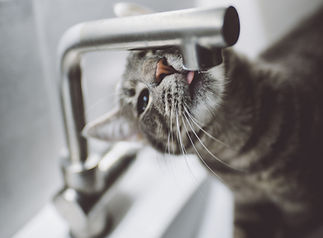
Increased thirst and urination
-
Weight loss and muscle loss
-
Reduced or picky appetite
-
Nausea, vomiting, or drooling
-
Lethargy or weakness
-
Poor coat quality
-
Bad breath (sometimes with a chemical smell)
-
Dehydration
Any noticeable changes should be discussed with your veterinarian.
Diagnosis and Veterinary Support
Your veterinarian may diagnose kidney disease through:
-
Blood tests assessing kidney values
-
Urine testing
-
Blood pressure measurement
-
Imaging such as ultrasound or X-rays
Regular monitoring helps your vet assess how quickly the disease is progressing and adjust treatment accordingly.
Management and Treatment Options
While kidney disease cannot be reversed, it can often be managed effectively with a tailored treatment plan, which may include:
-
Specialised kidney-support diets
-
Medications to control nausea, blood pressure, or phosphate levels
-
Fluid therapy (given at the clinic or sometimes at home)
-
Appetite support
-
Treatment of secondary conditions such as anaemia or infection
Your veterinarian will guide you on the most appropriate options for your pet’s stage of disease.
Living With a Pet With Kidney Disease
Many older pets adapt well to treatment and continue to enjoy affection, comfort, and routine. Close observation at home — including appetite, hydration, and energy levels — can help identify when adjustments are needed.
Open communication with your veterinarian is key to maintaining your pet’s comfort.
Quality of Life Considerations
As kidney disease progresses, some pets may experience increasing nausea, weakness, or weight loss despite treatment. Assessing quality of life involves looking at:
-
Comfort and pain levels
-
Appetite and hydration
-
Interest in surroundings and family
-
Ability to rest comfortably
Your veterinarian can help guide these discussions and support decision-making.
When Comfort Becomes the Priority
In advanced kidney disease, there may come a time when symptoms can no longer be adequately controlled and your pet’s quality of life declines.
Gentle, honest conversations with your regular veterinarian can help you understand when shifting focus to comfort-based care — and considering end-of-life options such as euthanasia at home — may be the kindest choice.
We’re Here to Support You
If you are reading this while facing difficult decisions about your pet’s kidney health or comfort, please know you are not alone. We work alongside your regular veterinarian to support pets and families with compassion, dignity, and care.
If you would like to talk through your concerns or ask questions about home euthanasia, we are here to listen.